
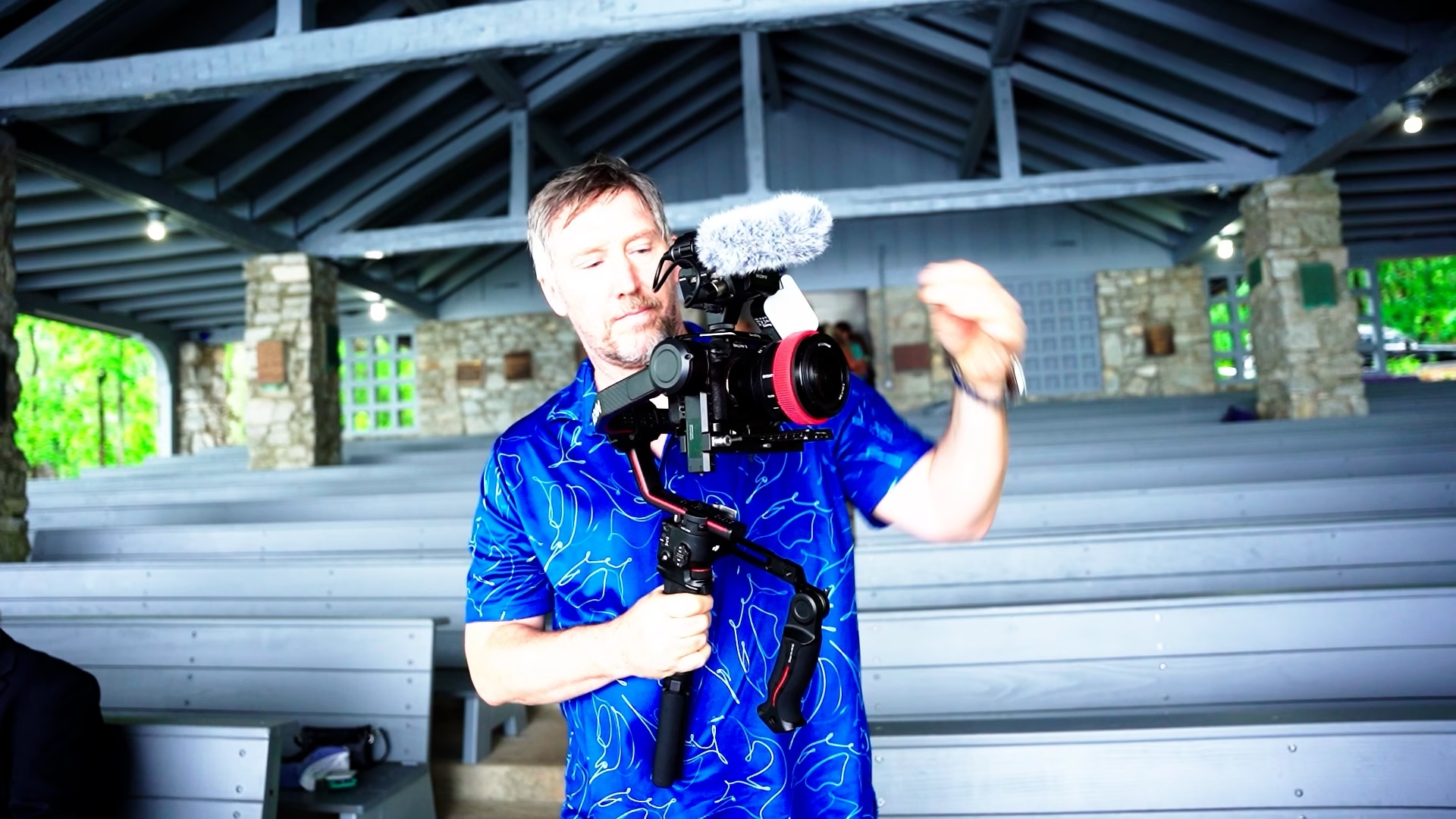
In today’s digital world, video is no longer optional. It’s essential. Whether you’re running a local restaurant in Western North Carolina, building a brand, showcasing a product, or telling a story that matters, video is the fastest way to capture attention — and the most powerful way to build trust.
But what exactly does a videographer do?
And what does it take to get started in videography today?
Let’s break it down.
What Is a Videographer?
A videographer is a creative professional who captures, edits, and produces video content for a wide range of purposes — from cinematic food videos and local business stories to weddings, events, interviews, and branded commercial work.
Think of a videographer as the director, cinematographer, sound tech, editor, and storyteller all at once. The role blends technical skill with artistic vision to create videos that grab attention, communicate meaning, and emotionally connect with an audience.
Core Responsibilities of a Videographer
1. Shooting and Filming
This is the heart of the craft. A videographer sets up the cameras, lighting, and audio to capture high-quality footage that supports the story being told.
This often includes:
- Choosing the right lenses and camera settings
- Setting up key and fill lights
- Capturing wide, medium, and tight shots
- Recording crisp, clean sound
- Filming interviews and natural “b-roll” moments
Whether it’s a restaurant’s signature dish, a couple sharing vows, or a CEO delivering a message, the videographer makes sure the moment is captured in the best possible way.
2. Video Editing
After filming wraps, the real magic happens.
Videographers assemble raw clips into a coherent, impactful final product. Editing often involves:
- Trimming and organizing clips
- Syncing audio
- Cutting scenes together for clarity, emotion, and pacing
- Adding interviews, voiceovers, or on-screen text
- Integrating b-roll for visual interest
Good editing transforms footage into a story that your audience feels.
3. Post-Production Enhancement
To elevate the final product, a videographer may perform:
- Color correction: Fixing exposure, contrast, and white balance
- Color grading: Creating a cinematic, consistent look
- Sound effects & music: Adding emotion and depth
- Motion graphics: Titles, animations, logos
- Special effects: From subtle enhancements to stylized visuals
This stage polishes the video into a professional, clean, ready-to-publish piece.
4. Planning & Pre-Production
Before the cameras ever roll, a videographer collaborates with clients to shape the vision. This may include:
- Understanding the client’s goals
- Brainstorming creative ideas
- Storyboarding key moments
- Scouting locations
- Preparing equipment lists
- Building a shot plan for the day
A powerful video doesn’t happen by accident — it’s built with intention.
5. Equipment Management
Videographers work with a wide variety of tools, including:
- Professional cameras
- Lenses
- Lighting kits
- Audio recorders
- Gimbals, sliders, stabilizers
- Drones
- Editing software
They not only operate this equipment — they maintain it, troubleshoot issues on the fly, and ensure everything runs smoothly during a shoot.
Additional Roles a Videographer May Handle
Client Collaboration
Videographers often meet directly with clients, directors, producers, and creative teams to ensure everyone is aligned on the vision, tone, and deliverables.
Live Streaming
With the rise of digital events, many videographers also manage live streams for conferences, ceremonies, or community events.
Interviewing
Documentary-style interviews are a big part of modern video work — whether it’s a restaurant owner sharing their origin story or a nonprofit leader explaining their mission.
Storytelling
Ultimately, the videographer is a storyteller. A single shot, a great piece of audio, a well-timed cut — these elements combine to create emotional moments that stick with people long after the video ends.
How to Get Started in Videography
Whether you want to become a professional or simply understand the craft better, here’s a clear path into the world of videography:
1. Start With the Basics
Learn fundamental camera skills:
- Exposure (ISO, shutter, aperture)
- Composition
- Lighting
- Audio capture
A beginner camera and basic mic are enough to start.
2. Practice, Practice, Practice
Shoot everything you can:
food, family events, interviews, action, landscapes.
Every scenario teaches you something new.
3. Learn to Edit
Editing is where the video becomes a story.
Study:
- Adobe Premiere Pro
- DaVinci Resolve
- Final Cut Pro
Start by cutting simple sequences and build up from there.
4. Build a Portfolio
Real projects — even small, free, or collaboration-based ones — show clients what you can do. Create videos that highlight:
- Your eye for detail
- Your ability to tell a story
- Your style and personality
5. Invest in Equipment Slowly
Great videos come from skill, not gear.
But as your work grows, so should your toolkit:
- Better lenses
- Cleaner audio
- Stronger lighting
- Camera stabilizers
- Drones
Build your kit based on your needs, not trends.
6. Work With Clients
Start local.
Offer to film:
- Restaurants
- Local businesses
- Community events
- Weddings
- Interviews
- Nonprofits
This builds relationships, confidence, and recurring opportunities.
Why Videographers Matter (Especially in 2025)
In a world where attention spans are shrinking and social media dominates, video is the fastest way to:
- Showcase your brand
- Build trust
- Increase sales
- Connect emotionally
- Stand out from the noise
Whether it’s a 15-second Instagram Reel or a full cinematic showcase, professional video has become the new storefront window for local businesses.
A talented videographer doesn’t just hit record —
they create experiences, shape perception, and help businesses grow.
Final Thoughts
A videographer wears many hats: technician, artist, problem-solver, director, storyteller, marketer, and collaborator. From planning to filming to editing, they transform ideas into visuals that move people.
If you’re looking to elevate your brand with professional video — or explore videography as a creative career — understanding what a videographer does is the first step.
When done right, video doesn’t just capture a moment…
it creates a moment.
 Call Now to Get Featured
0 comments