
Audio quality can make or break a video, podcast, music recording, or live performance. One of the most common technical problems people encounter is audio clipping.
Whether you are recording a podcast, filming an interview, capturing live music, or playing sound through speakers, clipping can ruin an otherwise great recording.
Understanding what clipping is, why it happens, and how to prevent it can dramatically improve your audio quality.
In this guide, we’ll explain what audio clipping is, how it occurs in both playback systems and recordings, and how modern technology like 32-bit float recording is helping creators avoid it.

Eric Congdon https://www.ericcongdon.com/
What Is Audio Clipping?
Audio clipping occurs when an audio signal becomes too loud for the equipment handling it.
Every audio device — whether it is a microphone, amplifier, recorder, or speaker — has a maximum level it can process. When a signal exceeds that limit, the waveform is literally cut off, or “clipped.”
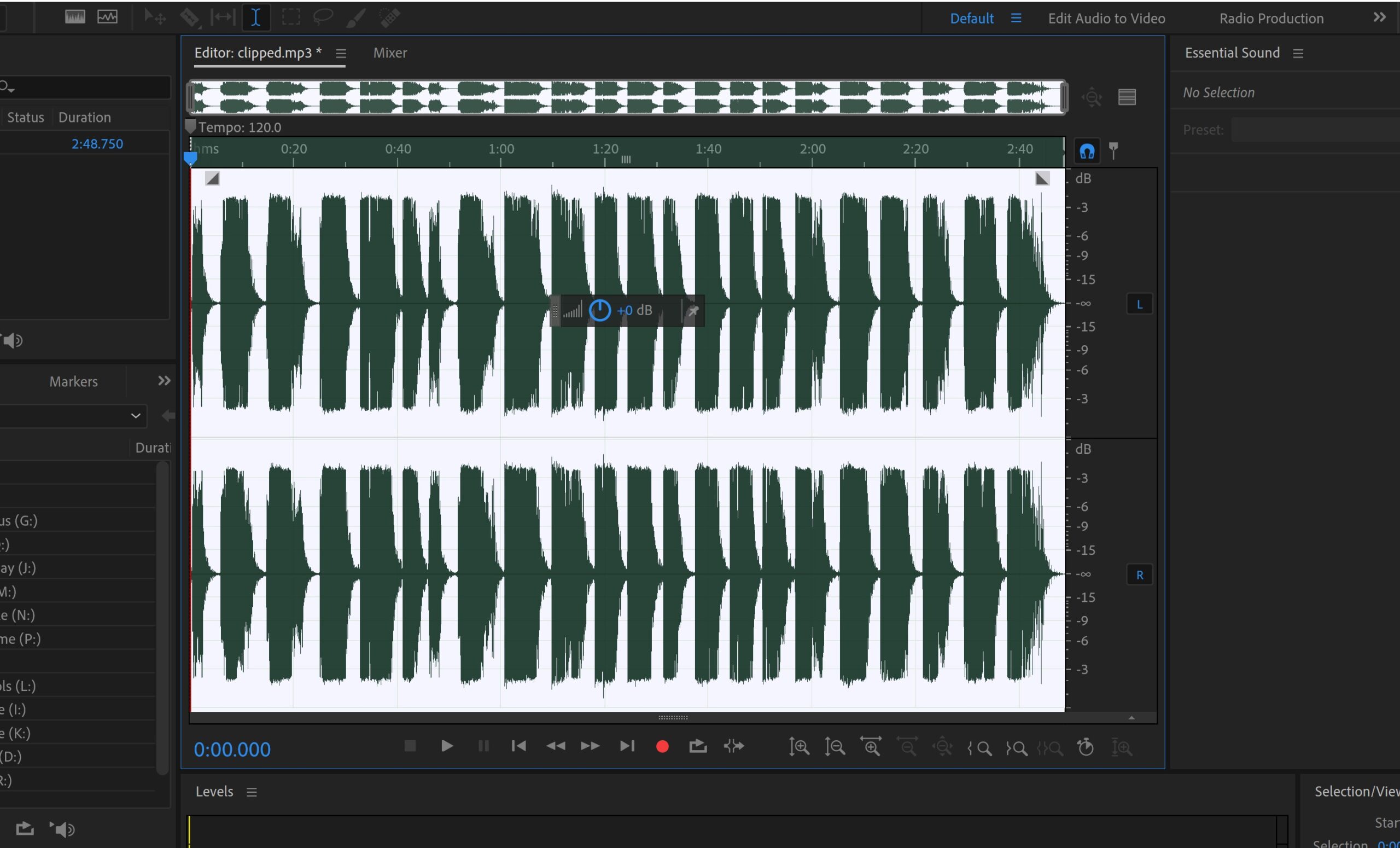
Instead of smooth peaks and valleys, the waveform becomes flattened at the top and bottom.
This produces a harsh distortion that sounds:
• crunchy
• broken
• overly harsh
• unpleasant to listen to
In audio editing software, clipping appears visually as flat tops on the waveform where the signal exceeded the system’s limit.
Clipping in Audio Playback Systems
Clipping often occurs during audio playback, especially when an amplifier or speaker system is pushed beyond its limits.
Common causes include:
Overdriving an Amplifier
If the input signal is too strong, the amplifier attempts to produce a signal louder than it is capable of delivering. The result is distortion and clipped audio.
Inadequate Power
If speakers require more power than the amplifier can provide, the amplifier may clip while trying to keep up with the demand.
Poor Quality or Damaged Equipment
Faulty cables, worn speakers, or poorly designed equipment can also introduce clipping and distortion.
Clipping During Audio Recording
Clipping is also extremely common during audio recording, especially when microphone levels are set incorrectly.
When a microphone captures sound, that signal passes through a preamp and recording system. If the signal becomes louder than the system’s maximum level, clipping occurs.
This happens most often when recording:
• live music
• interviews with excited speakers
• loud environments
• sudden bursts of sound such as laughter or applause
Once digital clipping happens during recording, the lost audio information is usually impossible to fully recover.
What Happens When Microphone Levels Are Too High
If microphone gain is set too high, loud sounds will overload the recording system.
This results in:
• distorted audio
• crunchy or harsh sound
• permanently damaged recordings
Even advanced audio repair software can rarely restore heavily clipped audio.
This is why audio engineers traditionally record with headroom, meaning they leave space below the maximum level to accommodate unexpected loud sounds.
What Happens When Microphone Levels Are Too Low
While clipping occurs when levels are too high, recording levels that are too low can also cause problems.
When a signal is recorded very quietly:
• the audio must be boosted later in editing
• background noise becomes more noticeable
• the signal-to-noise ratio becomes worse
When you increase the volume in editing software, you may also amplify:
• room noise
• electrical hum
• microphone hiss
Because of this, audio engineers usually aim for recording peaks around -12 dB to -6 dB when recording digital audio.
This provides enough volume for a clean recording while leaving room for unexpected peaks.
What Is 32-Bit Float Audio?
A major advancement in audio recording technology is 32-bit float recording.
Traditional recording systems use 16-bit or 24-bit audio, which have fixed limits. If the sound exceeds those limits, clipping occurs and the audio becomes permanently distorted.
However, 32-bit float recording dramatically expands the dynamic range.
Instead of storing audio within a limited range, 32-bit float allows recorders to capture an enormous range of levels.
This means:
• extremely loud sounds can often be recovered in editing
• extremely quiet sounds can be boosted later
• accidental clipping is much less likely
In many cases, recordings that appear clipped can actually be restored in post-production by lowering the gain.
Why 32-Bit Float Recording Is Popular for Video and Documentary Production
Filmmakers, podcasters, and content creators increasingly rely on 32-bit float recording devices.
One major reason is that real-world audio levels are unpredictable.
During a shoot, sound levels can suddenly change when someone:
• laughs
• speaks louder than expected
• claps
• performs music
• moves closer to the microphone
With traditional recorders, these sudden changes can cause clipping.
But with 32-bit float recording, editors can often adjust levels after the recording is finished, greatly reducing the risk of ruined audio.
Important Limitation of 32-Bit Float
Although 32-bit float recording is extremely powerful, it does not make microphones or preamps unlimited.
If a microphone capsule or analog preamp overloads before the signal reaches the digital recorder, distortion can still occur.
So while 32-bit float provides a huge safety margin, good recording practices still matter.
Practical Tips for Preventing Audio Clipping
To avoid clipping and capture cleaner audio:
Monitor your audio
Always wear headphones while recording to hear problems immediately.
Leave headroom
Aim for peaks around -12 dB when possible.
Avoid excessive gain
Set microphone levels conservatively to allow room for loud moments.
Use limiters when available
Some recorders include built-in limiters that help prevent clipping.
Consider 32-bit float recording
Modern field recorders with 32-bit float technology provide an additional layer of protection.
Why Good Audio Matters More Than Ever
In today’s digital world, audiences expect professional-quality sound whether they are watching:
• YouTube videos
• documentaries
• podcasts
• interviews
• social media content
Poor audio quality immediately reduces credibility and can cause viewers to stop watching.
Understanding issues like audio clipping — and learning how to prevent them — is one of the simplest ways to improve the overall quality of your productions.
Final Thoughts
Audio clipping is a common but avoidable problem in both recording and playback systems. It occurs when sound levels exceed the limits of audio equipment, resulting in distortion and degraded sound quality.
By understanding proper gain staging, monitoring levels, and using modern technologies like 32-bit float recording, creators can dramatically reduce the risk of clipped audio and produce clearer, more professional recordings.
Whether you are a musician, filmmaker, podcaster, or content creator, mastering these fundamentals will help ensure your audio sounds as good as your visuals.
 Call Now to Get Featured
0 comments