
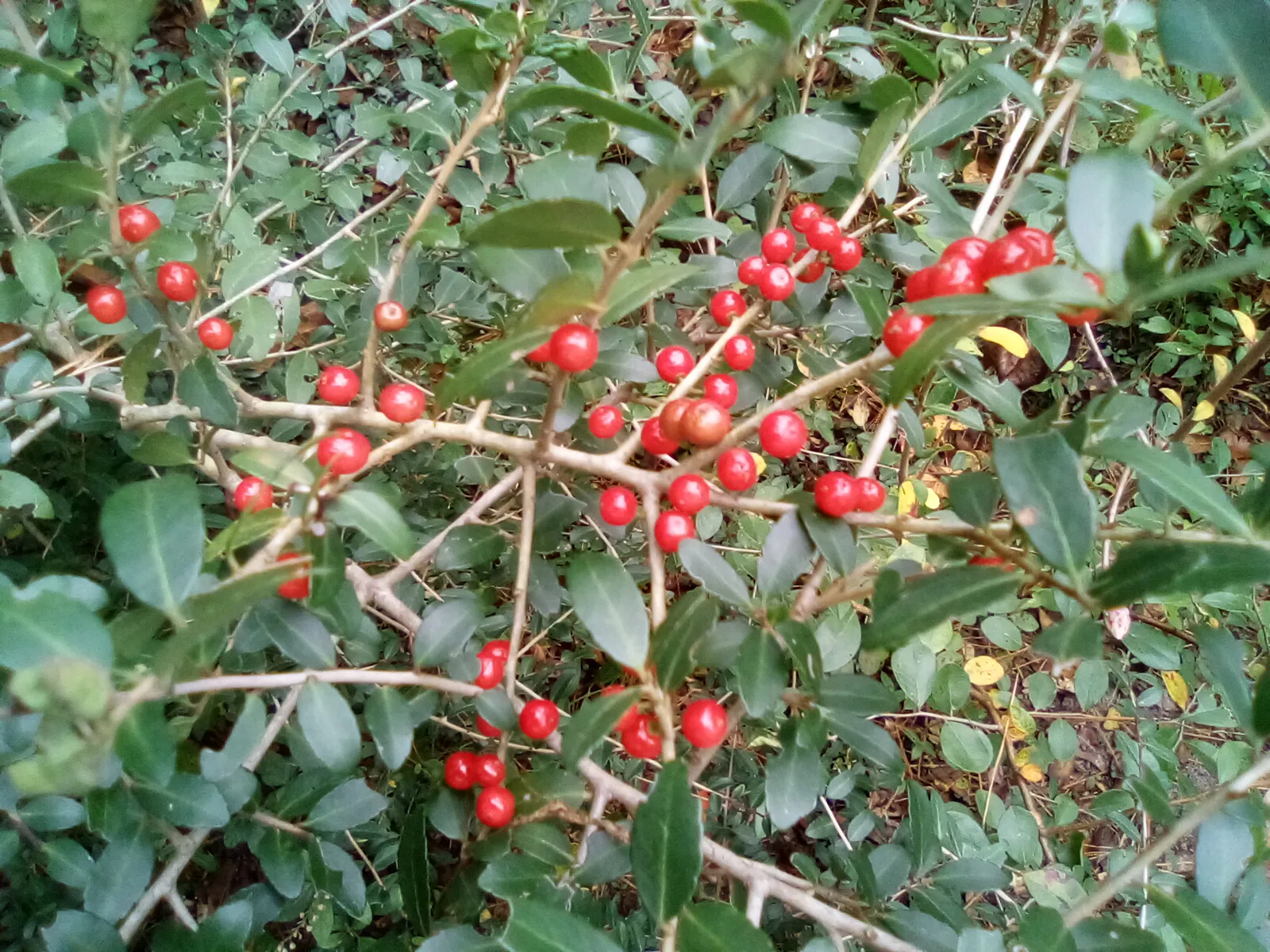
Welcome to our blog series where we take you on a guided tour of Hendersonville's local flora, focusing on the edible plants that grow in abundance in this beautiful region. This series is not just about identifying these plants but also about understanding their uses in the kitchen and embracing sustainable foraging practices.
Why Forage in Hendersonville?
Hendersonville, with its diverse ecosystems, is a forager's paradise. From the lush woodlands to the meadows, each environment offers a unique set of plants that have been part of local culinary traditions for generations.
The Importance of Safe Foraging
Before we embark on our plant-walking journey, it's crucial to emphasize the importance of safe foraging. Always remember:
- Proper Identification: Misidentifying plants can lead to harmful consequences. If in doubt, consult local experts or reliable resources.
- Sustainable Practices: Be mindful of how much you forage to ensure that these plants can continue to thrive.
- Legal Considerations: Be aware of local regulations regarding foraging.
A Sneak Peek into Our Plant Walk Series
Here's a glimpse of what you can expect in our upcoming posts:
1. Yaupon Holly – North America's Native Tea
In our first stop, we'll explore the Yaupon Holly, a native tea plant with caffeine levels similar to coffee. We'll discuss how to dry and boil the leaves for a refreshing brew and why it's important to avoid its berries.
2. Cloudberry Delights
Next, we'll hunt for cloudberries, a rare but rewarding find. You'll learn about their raspberry-like taste and how they can be transformed into delicious jellies.
3. Sweet Gale – Beyond the Bitterness
Discover the Sweet Gale, a plant known for its medicinal benefits and its use as a natural insect repellent. We'll cover how to make tea from its fruit and leaves.
4. The Versatility of Garlic Mustard
Garlic Mustard is often overlooked, but this plant is a culinary treasure. From salads to seasonings, we'll explore its garlicky flavor and its multiple uses in cooking.
5. Wood Sorrel – A Sour Addition
Often mistaken for clover, Wood Sorrel is known for its sour taste. We'll discuss its culinary uses and the importance of moderation due to its oxalic acid content.
6. Wild Leeks – A Forager’s Favorite
An entire post will be dedicated to wild leeks, discussing their nutritional value, distinct onion-like flavor, and various ways to include them in your meals.
7. Exploring Meadowsweet and Chickweed
We'll dive into the world of Meadowsweet and Chickweed, learning about their habitats, identification, and how they can enhance your culinary creations.
Conclusion and Next Steps
Join us as we explore these wonders of nature in detail in our upcoming posts. Whether you're a seasoned forager or just starting, this series will provide valuable insights into the world of edible plants right here in Hendersonville.
Stay tuned for our first detailed post on Yaupon Holly, and happy foraging!
Remember, this blog series aims to educate and inspire. While we strive to provide accurate and helpful information, always exercise caution and consult local experts when foraging. The beauty of nature is there for us to enjoy, but respect and knowledge are key to a sustainable and safe experience.
 Call Now to Get Featured
0 comments