
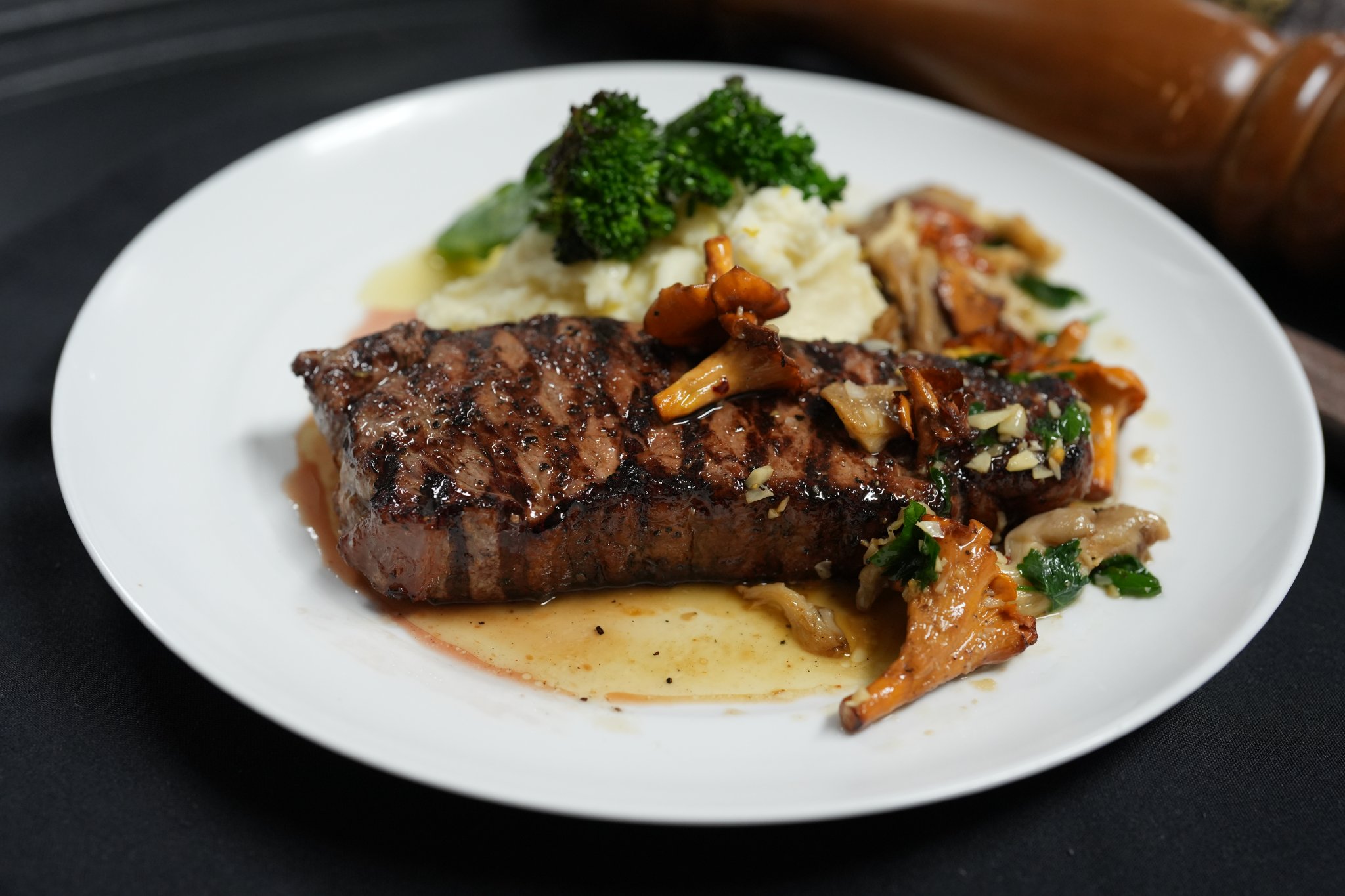
Have you ever watched a short video of food being prepared and suddenly felt hungry—even if you had just eaten?
Maybe it was a burger being stacked with melted cheese, a steak sizzling on the grill, or pasta being tossed in a pan with steam rising into the air.
Within seconds, something happens in your brain.
You don’t just see the food.
You begin to feel the experience of eating it.
This reaction is not accidental. It’s the result of something marketers and psychologists understand well: sensory marketing.
Food videos trigger multiple senses at once, making them one of the most powerful tools restaurants can use to attract customers online.
Let’s explore why food videos work so well—and why they make people hungry.
Sensory Marketing: Engaging the Brain
Human beings make decisions with emotion first, logic second. When people see, hear, and imagine food being prepared, their brains begin to simulate the experience of eating.
This is known as sensory marketing.
Even though viewers cannot physically taste or smell the food through their phones, their brains begin filling in the missing details.
A viewer might see:
• Steam rising from a fresh dish
• Sauce dripping off a fork
• Cheese stretching between two slices of pizza
The brain automatically imagines the taste and texture.
In many cases, viewers begin producing more saliva just from watching the food preparation. This reaction is part of the body’s natural digestive response.
That moment—when someone imagines the taste of the food—is when curiosity turns into hunger.
Motion Triggers Appetite
One reason video is so powerful compared to photography is motion.
Our brains are naturally wired to notice movement. From an evolutionary standpoint, motion helped humans identify opportunities and threats in their environment. Today, that same instinct makes moving images more engaging than static ones.
When food moves in a video, it creates excitement and anticipation.
Examples include:
• A burger being stacked layer by layer
• Sauce slowly poured across a dish
• A chef slicing into a steak
• A pizza being lifted with melted cheese stretching
Motion makes the food feel alive.
Instead of simply observing a dish, viewers watch it being created step by step. That process builds anticipation and makes the final dish appear even more satisfying.
The Sound of Cooking
Sound plays an enormous role in how we perceive food.
Many food videos include subtle cooking sounds that activate appetite almost instantly.
These sounds include:
• The sizzle of food hitting a hot grill
• The crackle of frying oil
• The crisp snap of bread being cut
• The fizz of a carbonated drink being poured
Even when viewers are not consciously focusing on the sound, their brains register it.
Researchers studying multisensory perception have found that sound can enhance how we experience food. The right sounds make food feel fresher, hotter, and more flavorful.
This is why many of the most effective food videos capture natural cooking sounds, sometimes called ASMR-style food audio.
Just hearing that sizzle can make people crave the meal.
The Power of Close-Up Food Shots
Another reason food videos are so effective is the use of extreme close-up shots.
When food is filmed close to the lens, viewers can see details they might never notice in real life:
• The texture of grilled meat
• The shine of melted butter
• The bubbles in a sauce
• The crisp edges of fried food
These close-ups create visual intensity. They highlight textures and colors in a way that makes food appear richer and more appetizing.
Cinematographers often call this technique “food glamour.”
With the right lighting and camera movement, even a simple dish can look irresistible.
Why Video Outperforms Photos
Food photography can certainly be beautiful, but video adds something that images cannot: experience.
Video combines multiple sensory cues at once:
• Motion
• Sound
• Light
• Texture
• Atmosphere
Instead of just seeing a finished dish, viewers watch the entire process unfold.
The result feels more immersive. It’s almost like being inside the kitchen.
That immersion creates a stronger emotional reaction, which often leads to action—whether that means sharing the video, saving the post, or deciding to visit the restaurant.
Why Restaurants Are Turning to Video
Because food videos trigger hunger so effectively, restaurants around the world are increasingly focusing on short-form video content.
Platforms like Instagram, TikTok, and YouTube Shorts reward engaging video content and often push it to large audiences.
A short clip of food being prepared can easily reach thousands—or even hundreds of thousands—of viewers.
For restaurants, that visibility can translate directly into new customers.
Instead of simply showing a dish on a menu, video allows restaurants to showcase the experience of the meal.
Bringing Food to Life Through Video
Creating compelling food videos requires more than simply pointing a camera at a plate. Lighting, movement, timing, and sound all play a role in making food look irresistible.
When done well, food videos can transform the way a restaurant presents itself online.
They capture the energy of the kitchen, the artistry of cooking, and the excitement of dining.
For viewers, that experience can be powerful enough to spark a simple but important thought:
“We should go there tonight.”
Final Thoughts
Food videos work because they engage the senses and tap into the psychology of appetite.
Through motion, sound, close-up textures, and storytelling, they allow viewers to imagine the experience of eating the food—even through a screen.
That ability to trigger hunger is exactly why food videos have become one of the most powerful marketing tools for restaurants today.
When people can see, hear, and almost taste the food through video, curiosity quickly turns into cravings—and cravings often turn into customers.
 Call Now to Get Featured
0 comments